
About British Shorthair
There is a reason why British Shorthair is the most popular pedigree cat breed in the UK – their calm temperament and moderate exercise needs make them perfect for indoor living, and their Cheshire Cat looks are just endearing.
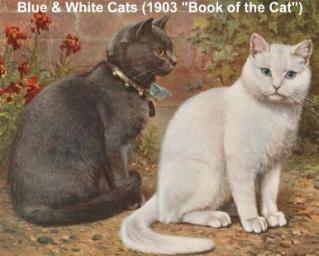
History
British Shorthair (BSH) is considered as one of the oldest cat breeds in existence, with its history going back centuries. They originated from a mix of cats brought over to the British Isles by the Romans and local, native wild cats.
Today, it is the most popular cat breed in the UK, and it’s hard to imagine that they were close to extinction in the first half of the 20th century! Even a book on pedigree cats, published in 1958, states:
The question is often asked why British cats are less popular that other breeds (…)
Pedigree Cats, Their Varieties, Breeding and Exhibition
by P. M. Soderberg, 1958
To widen the gene pool and preserve the breed, breeders had to outcross the British with Persians (which is how we ended up with the British Longhair variant), Chartreux, and even Russian Blue. Thanks to their determination and dedication, we can enjoy the companionship of these lovely cats today.
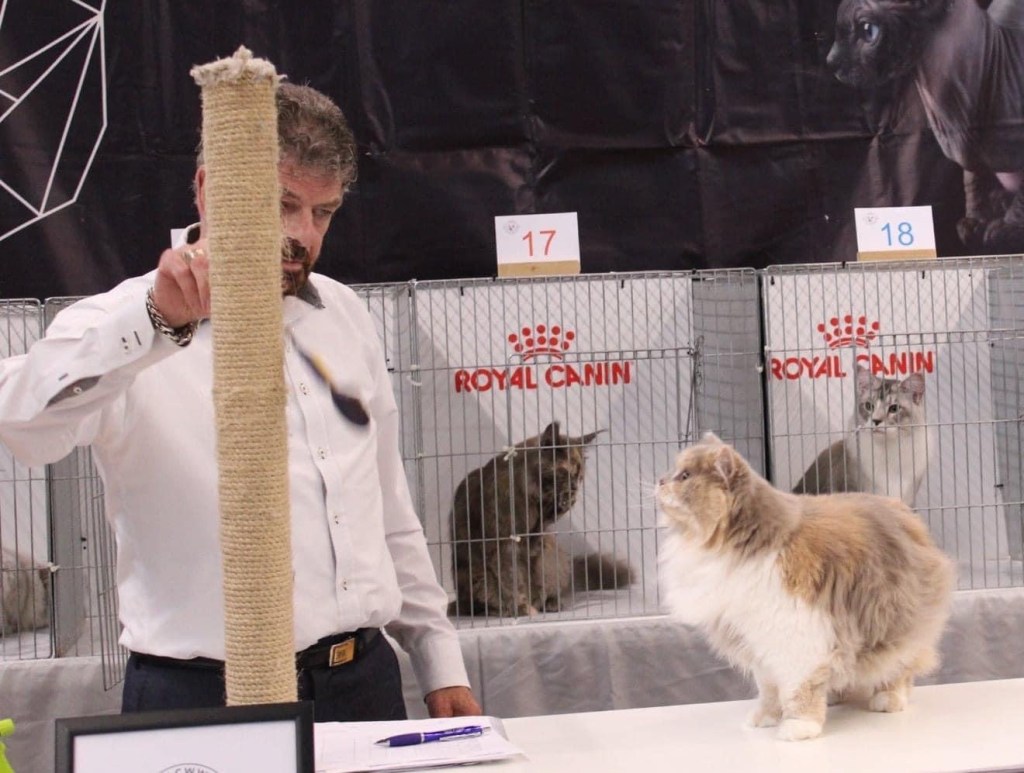
Looks
The British is a large, stocky, muscular and powerful breed (but note that it doesn’t mean they should be fat!) Their chests are broad, and they should stand on short, strong legs with rounded paws. Their tails are thick at the base, with a rounded tip. The head should be round, round, round! Small/medium ears set wide apart, with rounded tips; round, chubby cheeks, face with open expression, firm chin and big, round eyes are a must (can you spot a theme?). Their coat characteristically “breaks”, it is crisp and very, very dense.
Colours
British Shorthair and Longhair come in a myriad of colours – solid, tabby, colourpointed, bicolour and many combinations, and we don’t really have space to describe them all. Eye colour depends on the coat, for example solid blue cats should have orange eyes. Our personal favourites are “with white” BLH and tortie BSH. That said, type always trumps colour in our book!
Standard of Points
Each cat registry has it’s own “Standard of Points” (SOP) which describes how a perfect specimen should look like, and what is and isn’t permitted. A cat not meeting the “standard” will still make a fabulous pet, but good breeders strive to better the breed with each generation, and tend to only pick the best of cats to further their lines.
If you want to find out more, take a look at GCCF and TICA standards.
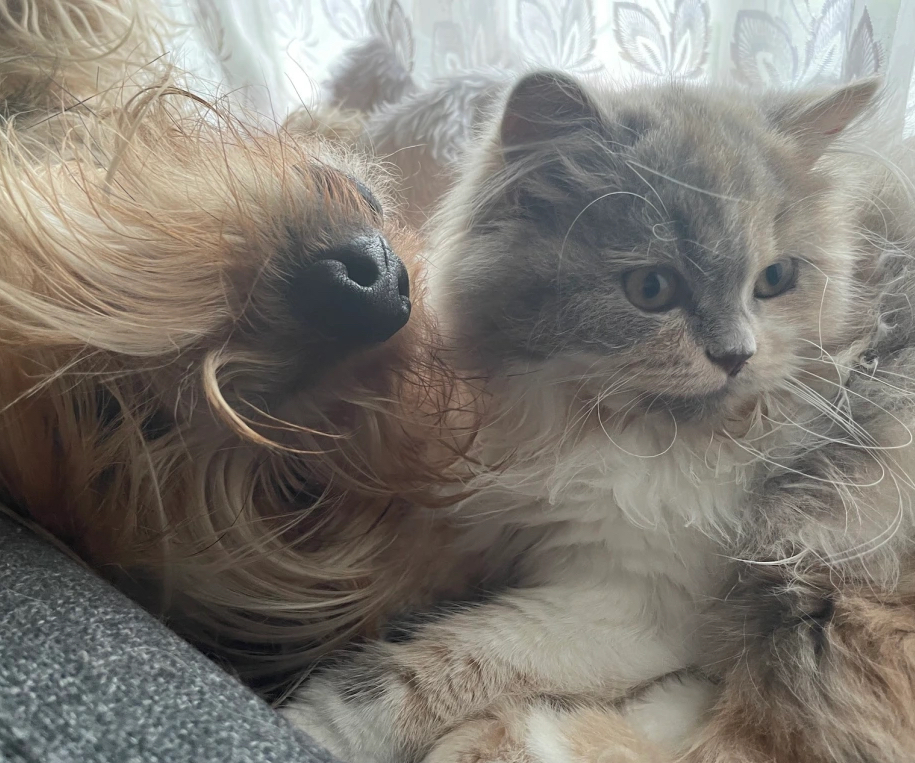
Temperament
The temperament of this breed definitely didn’t change in over 60 years!
Those who have had considerable experience with the British short-hair breeds have remarked on many occasions their unusual intelligence and a responsiveness which is so appreciated by any cat owner. Thus, surely such breeds are worth greater attention than has been paid to them in the past.
Pedigree Cats, Their Varieties, Breeding and Exhibition
by P. M. Soderberg, 1958
It’s a common stereotype that British Shorthair tend to be quite aloof. If our lot is anything to go by, this couldn’t be further from the truth! They all do have their own personalities though – some love being picked up and cuddled, some prefer it when it’s them initiating the contact. As long as you understand what “personality type” your cat is and don’t expect them to be someone they aren’t, you’ll live in perfect harmony.
They are easygoing and, unless they’ve been through some form of trauma, well-socialised British Shorthair / Longhair tend to be friendly, open and trusting. That’s why allowing them to free-roam is not recommended – they’re not very “street wise”, so keeping them indoors or only allowing them out in secure areas will prevent potential tragic accidents from occurring. They are also a beautiful breed and, as pedigree, are at a higher risk of being stolen.

Activity
Adult British cats don’t need a lot of exercise, so buying a cat wheel for them is likely to be a waste of money! This makes them perfect pets, even if you live in a small flat. That doesn’t mean they don’t like hunting, and they should be allowed to use their skills in appropriate ways, especially by playing with wand toys. Chasing flies in summer is also something they enjoy (or, at least our cats do!)
Kittens are a completely different matter, and like any little mammal, they love exploring and sometimes even get in trouble. They do calm down as they get older, and you’ll likely miss that bit of craziness later on, so make sure to cherish those kitten moments! If you don’t fancy having to deal with that “phase”, adopting an adult from a breed rescue or rehoming a retired breeding cat can be a perfect solution.
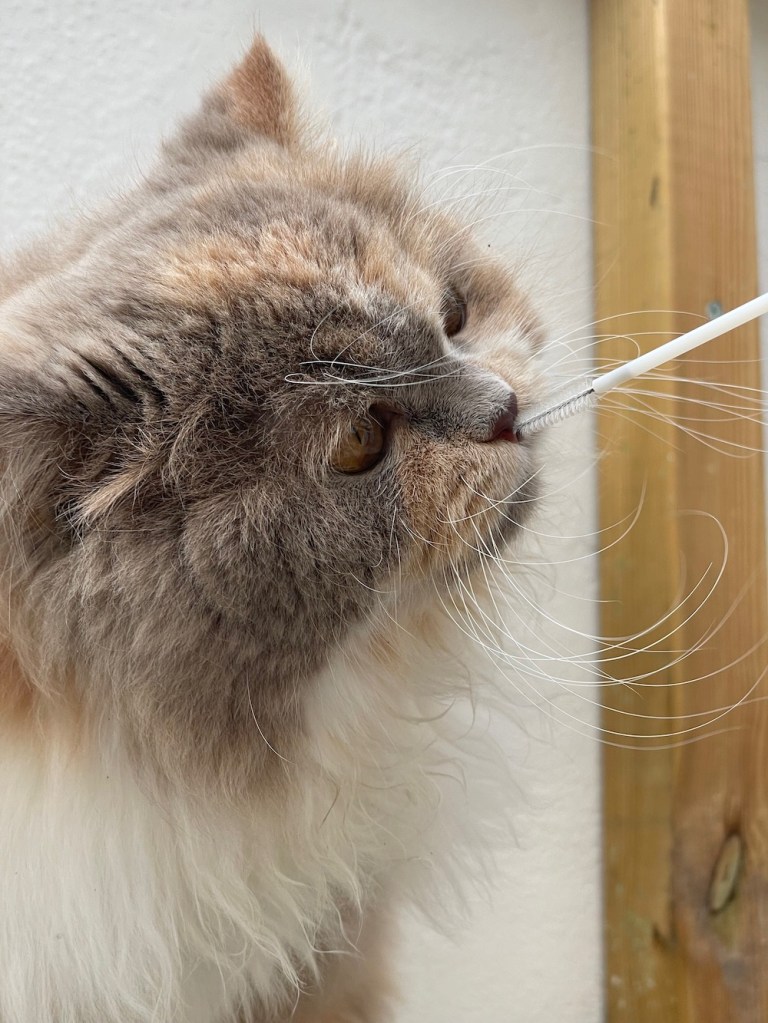
Known genetic diseases
There are a few genetic disorders that are, sadly, a consideration when talking about British cats, and in the spirit of honestly and transparency, we have to mention them here.
Polycystic Kidney Disease (PKD) – “it is an inherited disorder in which small, closed, liquid-filled sacs develop in the tissue of the feline kidney. These sacs (cysts) tend to multiply in number and grow in size over time, eventually overwhelming normal kidney tissue and often leading to potentially fatal kidney failure” (source). This disease was prevalent in Persian cats, and due to outcross programmes, also in the British cats.
Luckily, thanks to the development of a genetic test, this condition is now very rare, and all cats in any breeding programme should be tested.
Hypertrophic Cardiomyopathy (HCM) – “it is the most commonly diagnosed cardiac disease in cats. HCM is a condition that causes the muscular walls of a cat’s heart to thicken, decreasing the heart’s efficiency and sometimes creating symptoms in other parts of the body. While the disease’s effects and prognosis (predicted outcome) may vary considerably, proper diagnosis and treatment can decrease the chance that a cat with HCM will experience certain symptoms and can improve his or her quality of life” (source).
This is a disease that, unfortunately, we don’t have a genetic test for. Any responsible breeder, if faced with a case of it in a cat they bred, will neuter the parents to ensure it isn’t carried on.
Feline Autoimmune Lymphoproliferative Syndrome (ALPS) – this disease affects very young kittens. They “appear normal at birth but show failure to thrive, lethargy, regenerative anemia, abdominal distension and marked generalized lymphadenopathy from 6-12 weeks of age” (source). Unfortunately, there is no known treatment, and they die very young.
That said, luckily this condition isn’t common, and “it is thought that the disease originated in BSH cats from Australia or New Zealand” (source). I’ve never heard of a case in the UK, but we still routinely test our Queens.
 EsteLuna British Cats