
Cats are territorial creatures, and so can get very stressed by a sudden hustle and bustle of moving. But does it have to be stressful? There are ways to make the whole process much easier for them.
Ahead of the move day:
- Take things slowly – if possible, start packing well ahead of time, so your cat has a chance to gradually get used to things. Make it fun – after all, there’ll be so many boxes around!
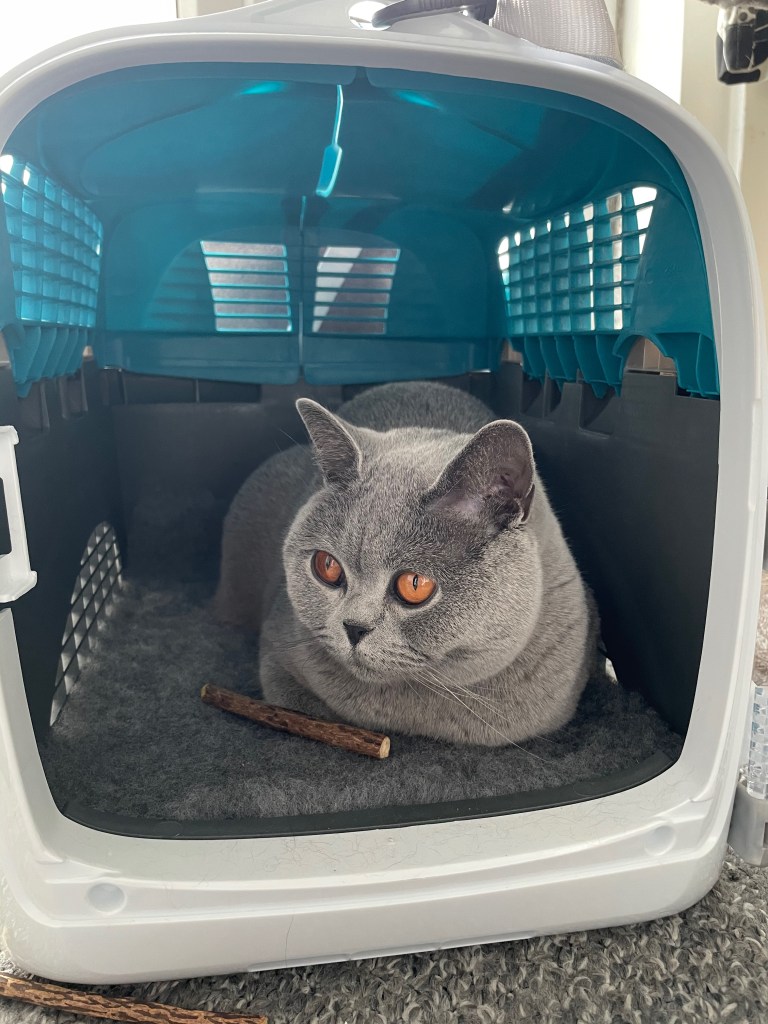
- Take out the carrier, if it’s not out already – it’s a good practice for it to act as a bed and just a comfy place to be, rather than something that’s only taken out when a vet visit is approaching.
- If you have access to the new property, plug in Feliway or Pet Remedy a few days before the move.
- Make sure to leave “cat things” (eg. trees, scratchers etc) as final items to be packed.
- Think about where you’ll keep your cat on the day of the move – both in the new and the old property. Bathroom or a small bedroom can work well. Make sure it’s a place that movers won’t have to enter.
- Prepare a sign for the door of the “safe space”, warning the movers that your cat is inside the room eg. “our cat is inside, please do not enter”. A cat that’s scared by hearing the noise of furniture being moved, movers wearing heavy boots, people going in and out, might try to make a run for it, and keeping them safe is paramount.
- Prepare a bag with necessities, eg. bowls, a towel, small litter tray, some tasty food and treats. The last thing you want is to have to dig though boxes, trying to find a can of cat food!
On the day:
- Ensure that your cat is secure in their “safe room”. Close all the windows, and hang the sign mentioned above.
- Make sure there’s a litter tray in the room (ideally a used litter tray), and some other items that smell familiar, eg. a small scratcher or cat bed, an item of clothing that smells of you, their carrier etc.
- You want to keep as many “familiar scents” for your cat as possible. It might sound a bit gross, but don’t change your bed sheets, and as mentioned above, keep used litter in their tray. Both of these things will have strong, familiar scents, which will make your cat a lot more comfortable in the new place.
- Once everything is packed and it’s time to leave, carefully get your cat in the carrier, and head to the new place (congrats, you made it this far!)
In your new home:
- When you arrive, take your cat to their new “safe space”, together with familiar items mentioned previously. Make sure to hang the sign on the door, and check that windows are closed. A terrified cat, lost in an unfamiliar location, is the last thing you need!
- Once the movers are gone and you had a moment to relax, go and check on your cat.
- If your cat seems comfortable or even interested in the new place, and the house is quiet, it is a good opportunity to just leave the door open so they can explore at their own pace.
- On the other hand, if he/she is hiding, just let them be. Don’t force them out, instead go to continue unpacking.
- If after a while, they’re still hiding, try to give them a bit of nice food and treats, or a toy. If they don’t want to move, leave them to it. Many cats will only come out to eat at night.
- Depending on the cat, moving them to your bedroom in the evening might be a good idea, so that they are with you and have a myriad of familiar scents around. You know your cat better than anyone, just make sure to take things at their pace.
It’s really important not to force your cat to do things they’re not comfortable with. They will get used to the new place, some will just need more time than the others. For some it might take a couple of hours, for some others – a few days if not longer. Take it slow, make sure they’re safe, and surrounded by as many familiar things and smells as possible.
Finally – good luck, enjoy the process, and congratulations on your new home!
 EsteLuna British Cats