
It might be that you never had a cat before and you are looking for a kitten with specific temperament as your first pet. It might be that you want an indoor cat, you are renting a flat, you don’t have a garden, you have kids or other pets (which can make rescuing difficult). It might be that you always dreamed of owning a kitten that looks like a teddy bear.
Whatever the reason is, getting a pedigree kitten is exciting, but can be a bit of a minefield as well! Here’s a basic checklist of things you may want to consider when making your enquiries, to make things easier for you.
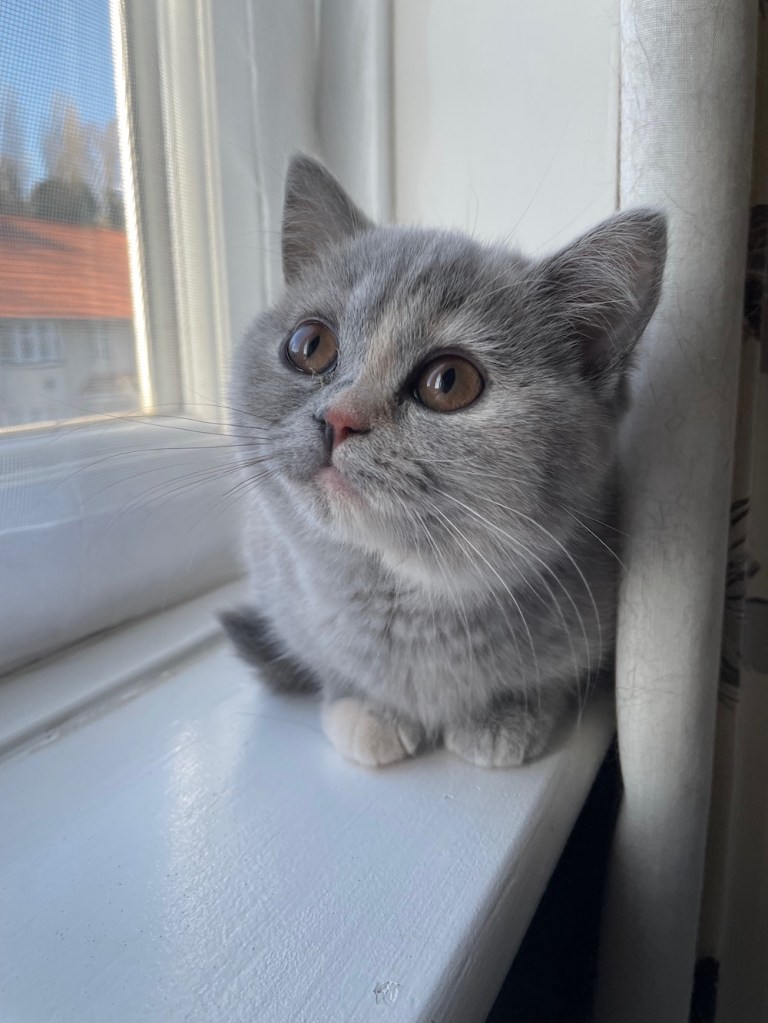
1. Is the kitten registered with a recognised body, such as GCCF, TICA or Fife?
Registration costs less than £15 and there is absolutely no reason why a legitimate breeder wouldn’t register their kittens. Note that “pedigree” isn’t the same thing as “registration” – anyone can make up a pedigree, but it’s the document from a recognised body that actually proves that your kitten is of a specific breed.
It doesn’t matter that they are meant to be “just pets” or “not for show” – they have to be registered! Anyone who misses this crucial step is cutting corners and if that’s the case, ask yourself – what other corners are they willing to cut just to save a bit of money, or to avoid scrutiny?
2. Will the kitten be vaccinated?
A kitten should be vaccinated twice against Feline Calicivirus (FCV), Feline Herpes Virus (FHV) and Feline Panleukopenia (FPV) before leaving – no ifs, no buts.
3. What age will the kitten be when leaving the breeder?
A kitten shouldn’t leave the breeder any earlier than one week after they receive their second vaccination, which is usually when they are at least 13 weeks old. Reasons are twofold:
- While rare, adverse reaction to vaccinations may occur. That extra week they spend with the breeder ensures that you take home a healthy kitten, and won’t have to spend hundreds of pounds at the vets straight away.
- While it’s commonly accepted for rescue puppies and kittens to leave for new homes at 8-9 weeks old (rescues often just need the space, so it’s understandable), this practice is unacceptable for breeders. Kittens really need that additional time with their mum and siblings, to learn how to “cat” properly, which helps to avoid behavioural issues in the future. The majority of cases I see where people are asking for help due to their kitten not using the bathroom appropriately or displaying aggressive behaviours such as scratching or biting, is because that kitten was rehomed when they were too young.
It’s also important to note that “one week after second vaccination” is a rule with GCCF, not a suggestion. A breeder letting their kittens go even a day earlier could be fined and suspended.
4. Is the kitten registered active or non-active?
Active means suitable for breeding – that kitten should be a good example of the breed and be carefully chosen by the breeder, who also should be ready to follow through and mentor the buyer.
Non-active means that a kitten is meant to be a pet, and will be (if they weren’t already) neutered. This doesn’t mean that they’re “worse” or “bad examples of the breed” – they are just not to be bred from.
A breeder selling their whole litter as “Active” or suggesting that all kittens are “show quality” when they are still very young, is a HUGE red flag, and it usually means that the person is more interested in money and profit margins, than the wellbeing of their kittens and the breed as a whole.
5. Were the parents health tested and genetically tested?
With BSH/BSL, a genetic test for PKD is a must – even though GCCF’s Breeding Policy for British Shorthair doesn’t require it (sic!) unlike the British Longhair breeding policy. ALPS test is optional and will depend on lines the breeder is working with (the disorder originated in Australia/New Zealand, and so is very rare in the UK).
You can read more about known genetic disorders on our About British Shorthair and Longhair page.
*Note that other breeds will have their own required genetic tests*
I hope this helps – watch out for part 2!
 EsteLuna British Cats